Fauna of Belize -
My dissertation research is centered on the Ethnobotany of stingless beekeeping by the Maya of Belize. This form of beekeeping, also called meliponiculture, is a tradition the Maya people have managed since before the Spanish conquest. However, there is very little we know about the different bee species they managed and how the hive products were used then versus now. One of the uses that I am greatly interested in learning more about is how honey and wax are used in herbal medicine by the Maya.
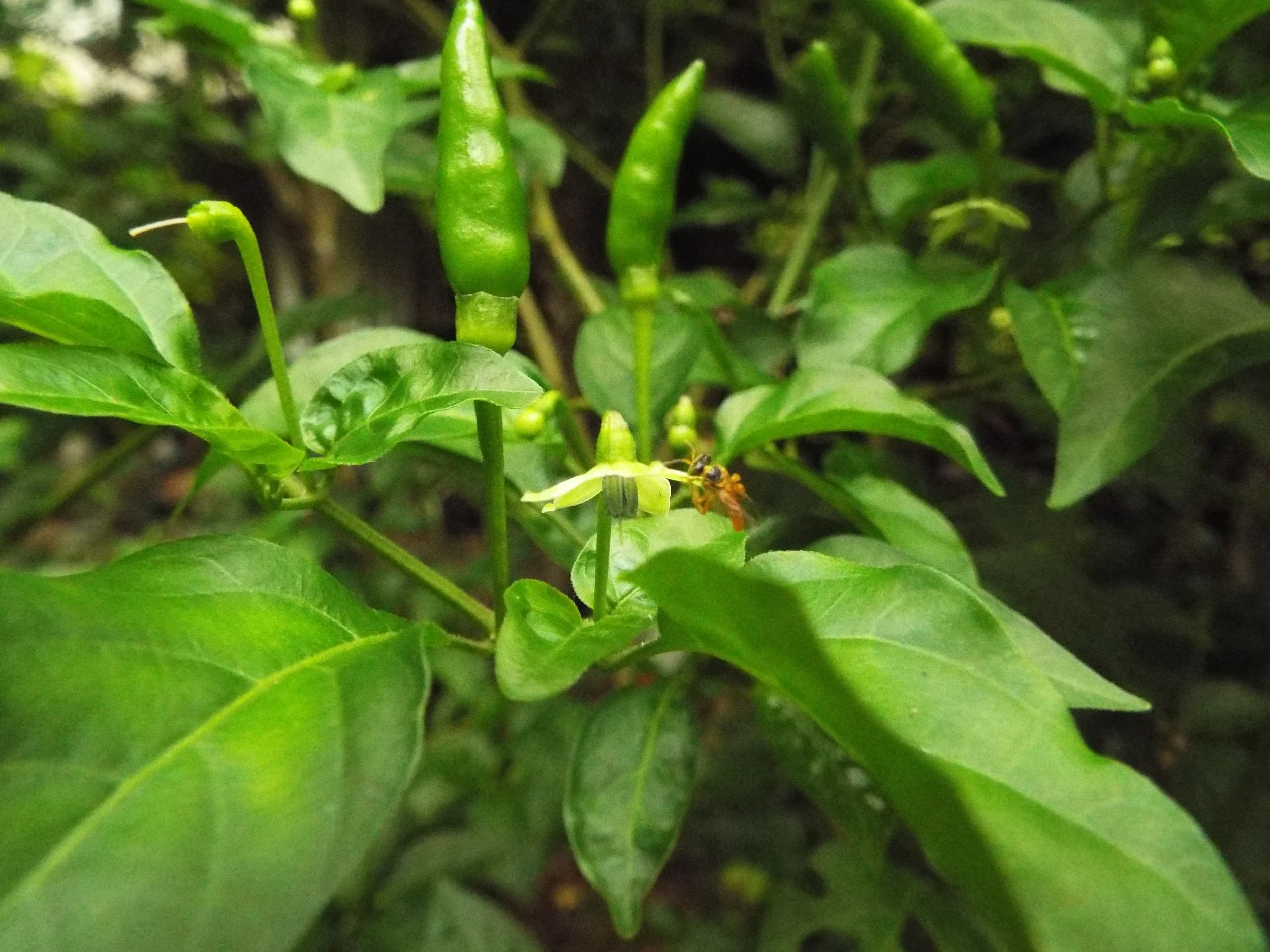
The bee known as k’an us by the Q’eqchi’ Maya (Tetragonisca angustula) on pepper flower.
The most common bee in the southern region of Belize is k’an us (Tetragonisca angustula), a very small orange insect that lives in colonies that can reach populations in the thousands! There is still so much we don’t know about these little bees, making any research on them new and exciting. But, they aren’t the only species that are managed by the Maya. The most well researched bee attributed to Maya meliponiculture is xunan cab, (Melipona beecheii), commonly kept by the Yucatec Maya of Mexico. However, I never saw this bee in the southern forests of Belize, but was told about a mysterious bee that closely resembles it, which is now considered rare by the elders of the community. I hope to find it and learn more about why it disappeared from the landscape.
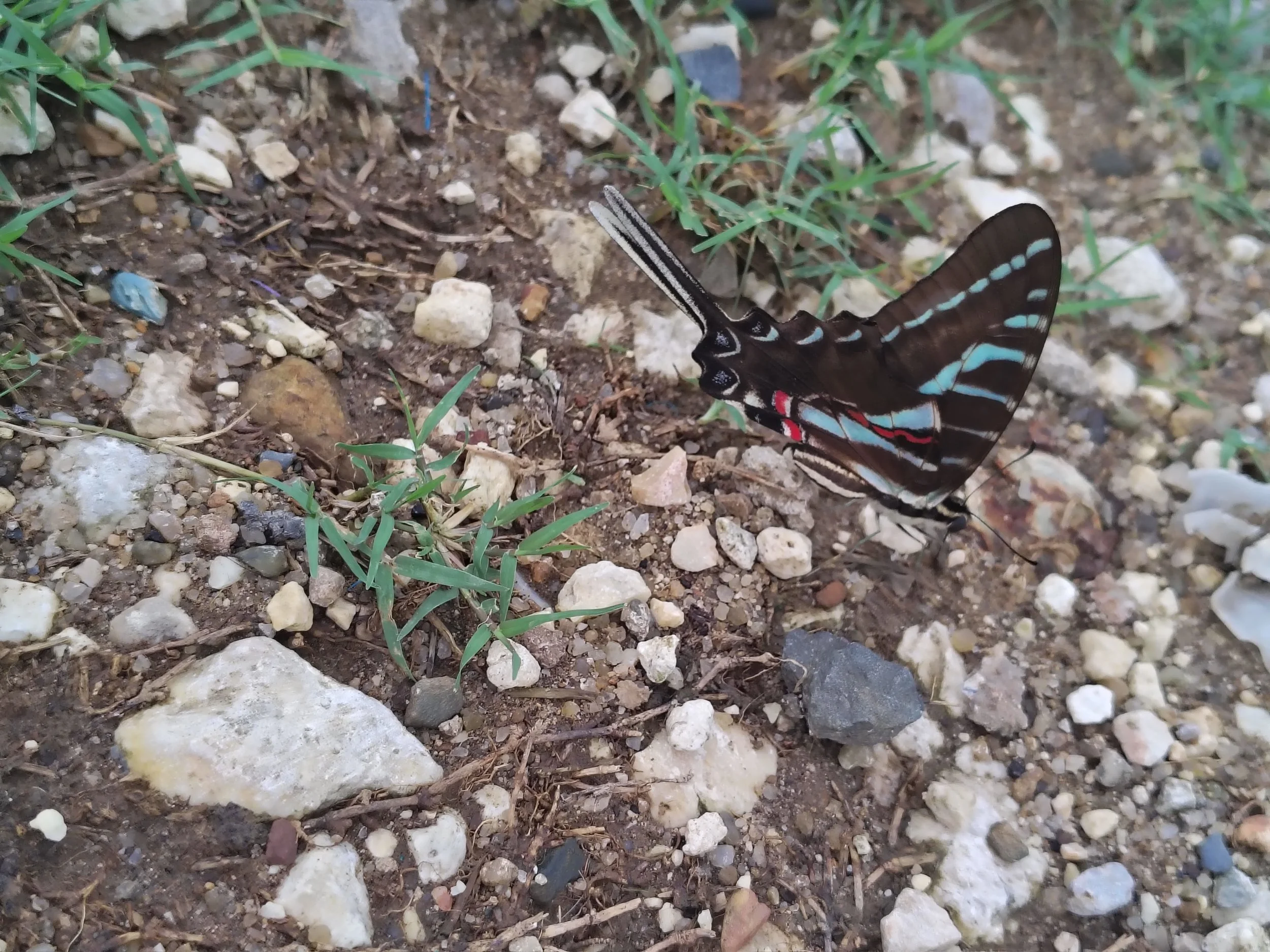
Dark kite swallowtail (Eurytides philolaus)
I thoroughly enjoy my time in the field because I get to meet all kinds of amazing creatures. Growing up watching Steve Irwin encouraged me to love the misunderstood and unusual creatures. Like his love for crocs, I also adore the scaly and sassy reptiles that are often misattributed as evil or vicious. In the last decade, however, I’ve taken it a step further and embraced the creepy-crawly creatures as well. I didn’t always like insects, but I am so glad I learned to love them, because it opened a world of intrigue and adventure for me that would have remained closed otherwise. Thanks to the passionate care the Crocodile Hunter represents, I grew to love many parts of nature that others overlook or fear. The other animals I interacted with during my latest field season are shown below.
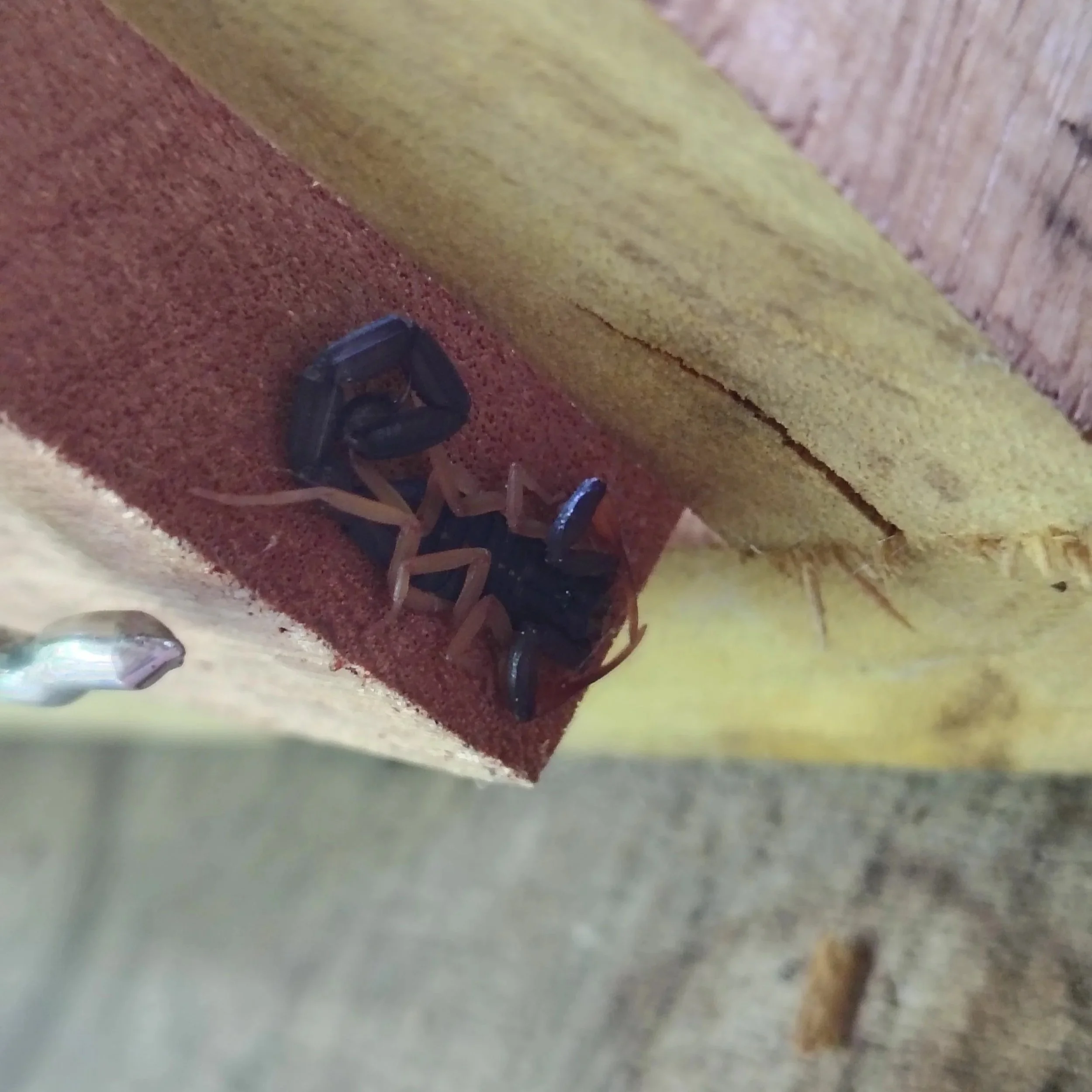
Small scorpion I found in an empty bee box at Maya Mountain Research Farm.
I stayed at Maya Mountain Research Farm to discuss agroforestry methods and the ecological relations between stringless bees and plants. It was a wonderful time hiking through the forest with Celini and Cerilia looking for wild bee nests and identifying what trees they were nesting in. Talking about the history of the farm with Chris and his dreams to continue sustainable farming practices as an example for others over a shared meal. Staying on the farm, sleeping in the cabins to the sound of rain in the jungle and waking to the song of howler monkeys will never get old. I am excited to return and check on how the hives have grown and if they have collected any honey from the bees they share their home with for over three decades.
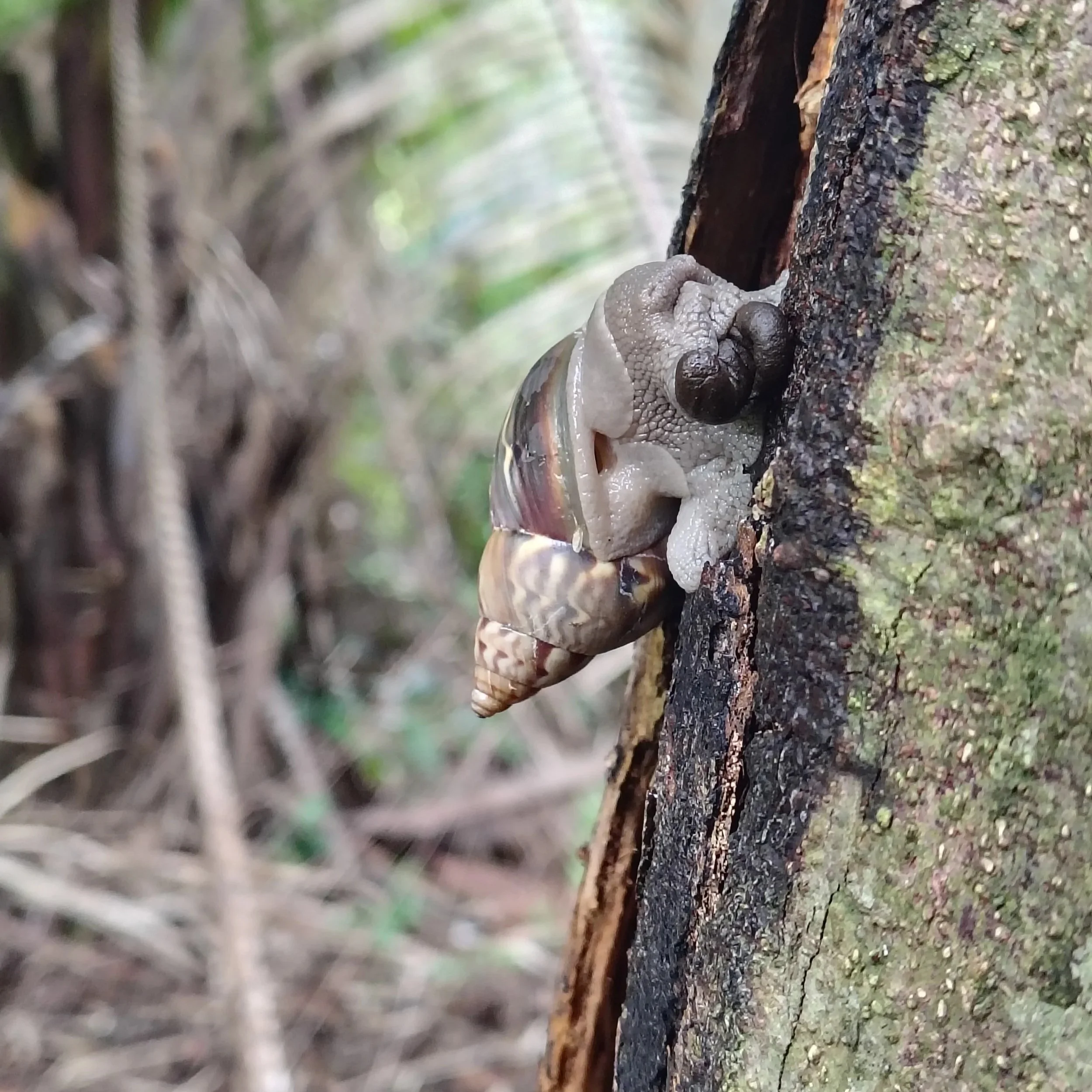
Snail on a tree in Toledo, Belize.
Staying in the villages meant I got pretty close to some interesting friends. Sleeping in the cohune thatch house meant the wind could circulate through to help keep me cool, but I wasn’t the only one living in the house. Considering I was only a guest, I didn’t mind sharing the space. In fact, I enjoyed sharing the one-room home with the native wildlife. One of my favorite guests was the small toad that always found his way back in and slowly grew more comfortable with my presence, and didn’t bother sneaking around after the third night. Somehow, he found his way onto the bed one night and woke me up. I was thankful it was him and not a rodent that woke me from my dreams. After scolding him, I escorted my amphibious friend back to the floor in search of bugs to eat and chose to sleep in the hammock moving forward.
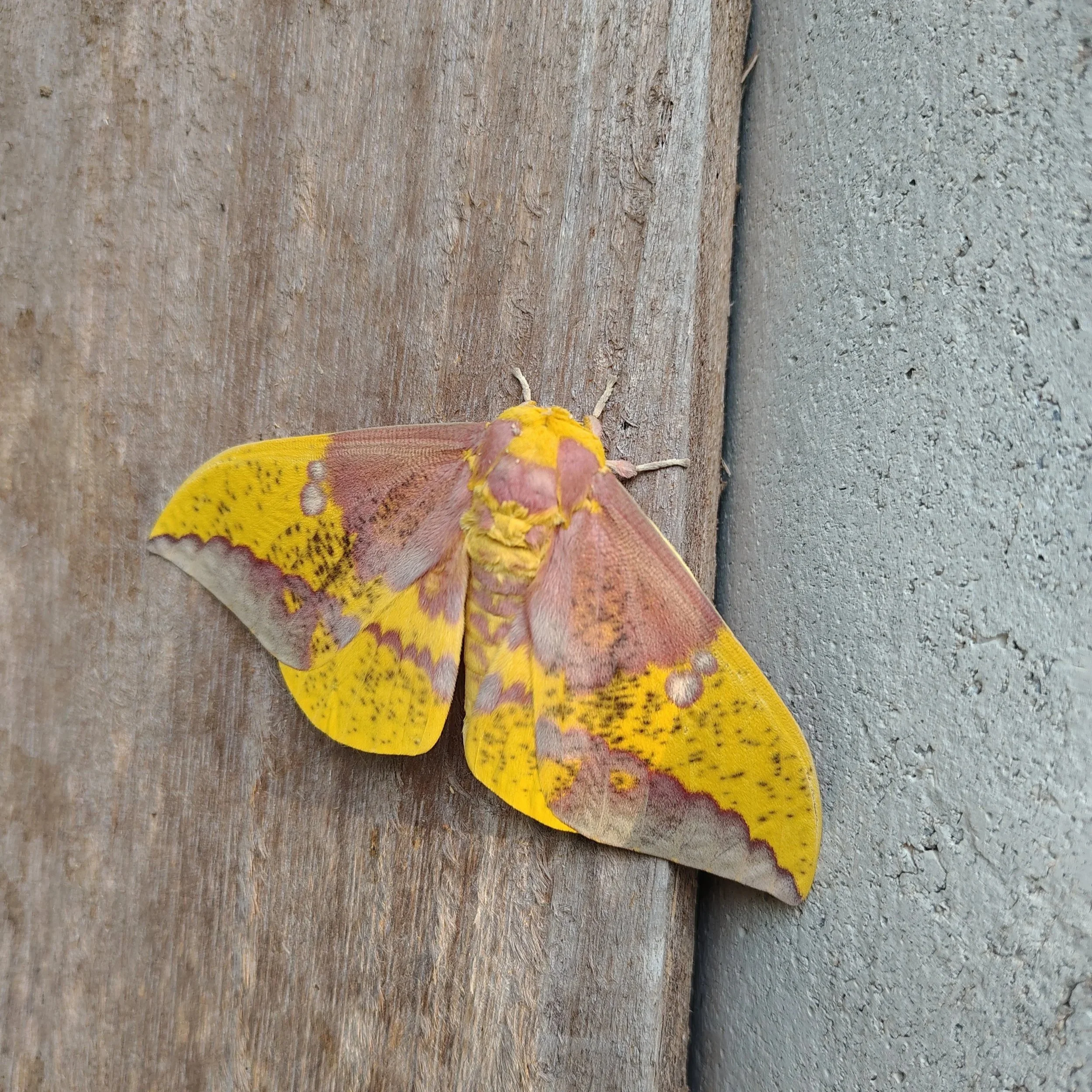
Imperial moth (Eacles imperialis) resting on the side of the guesthouse in Indian Creek village. My first sighting ever of this species!
My first week in Belize brought the rains, exciting many animals. The rains are a sign to start reproduction or the next stage of development as there aren’t four separate seasons but only two - dry and wet. Frogs and toads were common at night, their songs filling the night air. This put me at ease, as I have always adored frog-song as a North Carolinian; the distinct call of the green treefrog (Hyla cinerea) is a sign of Spring at home. I enjoyed the winged guests drawn to the lights strung along the front of the house. Moths are a favorite of mine, with few people appreciating their beauty simply because they are active at night. Unlike their diurnal cousins (butterflies), moths fly at night and are very important pollinators, with a variety of different colors. A great activity for people of all ages is to stay up a little late and sit outside to see who visits the lights. I recommend hanging a white sheet to make it easier to attract them and give them plenty of space to land.
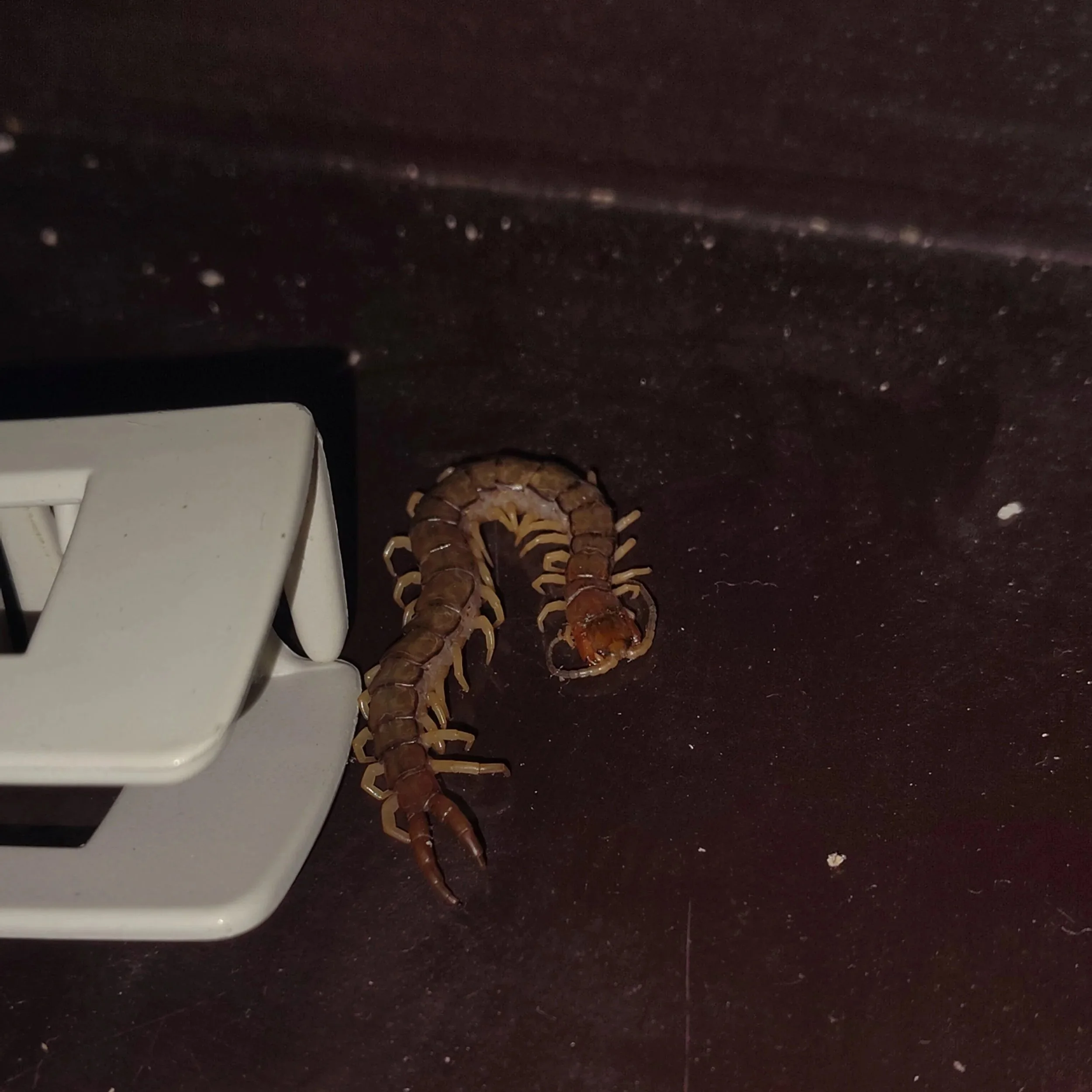
A centipede resting on the dresser in my house in Indian Creek village.
